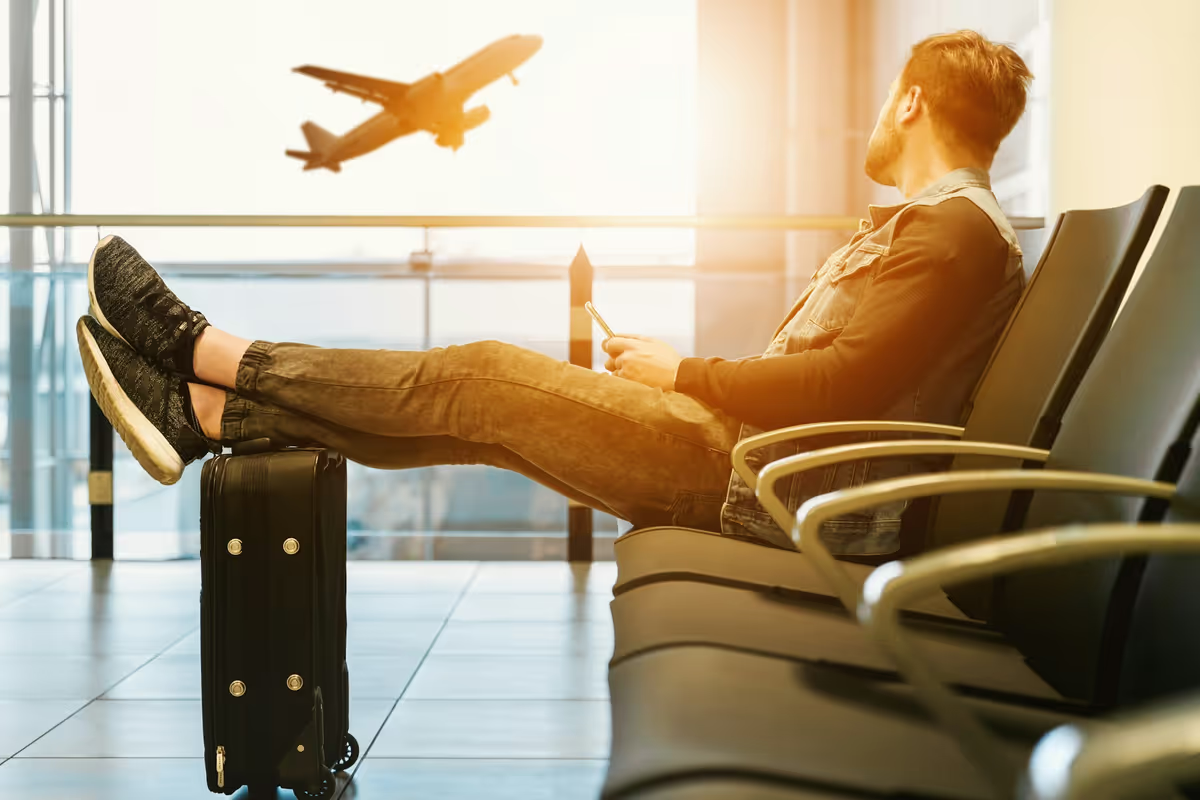
The most successful intelligence officers are the ones you never notice. Their safety depends on not drawing attention, whether from a rival service or an ordinary pickpocket, and they achieve it through habits any traveler can borrow.
You are probably not carrying state secrets. But the field officer’s core principle, becoming the “gray man” who is unremarkable and therefore unbothered, makes travel both safer and, oddly, richer. When you stop performing as a tourist, you start actually seeing the place. Here is the tradecraft worth stealing.
Dress the Part: Your First Layer of Cover
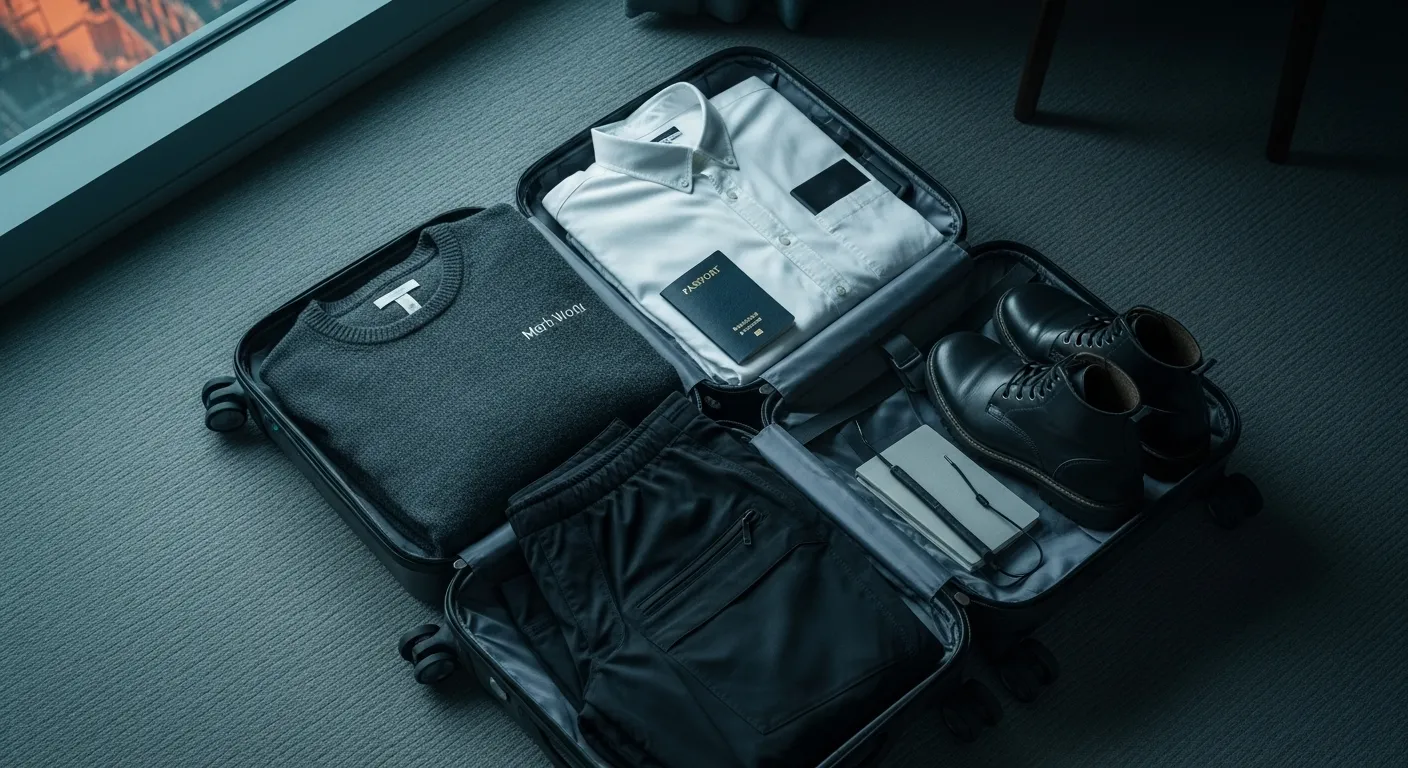
Nothing announces “tourist” faster than clothing. A field officer’s first concern is cover, and yours should be looking like you belong.
- Research local norms first. Before you go, look at street photography from your destination. Note the colors, the fabrics, and the general formality. Parisians favor neutral, tailored pieces, while residents of a humid tropical city dress light and loose.
- Leave the obvious at home. Big-logo shirts, bright athletic sneakers, and souvenir caps mark you as a target for scams and theft. Choose comfortable, well-fitting clothes in muted colors.
- Practicality is part of the disguise. Wear shoes you can actually walk in and layers suited to the weather. Nothing says “outsider” like struggling across cobblestones or shivering in the wrong jacket.
Situational Awareness: The Art of Seeing
Awareness is the foundation of all fieldcraft. It is not paranoia. It is presence: knowing your environment well enough to spot trouble before it arrives.
The habit starts at the door. When you enter any enclosed space, a restaurant, say, or a train station, note the ways out. It takes two seconds and becomes automatic. Next, read the baseline. Every place has a normal noise level and rhythm, a way people interact, and a sudden change in that baseline is your cue to pay attention.
And walk with purpose. Move like you know where you’re going, even when you don’t. Consulting a map in the middle of a crowded sidewalk advertises vulnerability; step into a shop or café instead.
Secure Your Digital Life: Counter-Surveillance 101
The biggest modern threats to a traveler are digital. Your phone and laptop hold more of value than your luggage does.
- Use a VPN on public Wi-Fi. Airport, hotel, and café networks are trivially easy to snoop. A VPN encrypts your traffic and takes the easy option away.
- Don’t broadcast your location in real time. Posting live updates tells thieves abroad where you are, and burglars at home that you’re away. Post the photos after you’ve moved on.
- Do the basics thoroughly. Unique passwords, two-factor authentication on everything, and a backup before you leave. A privacy screen is worth it if you work in public places.
Handle Money Like a Professional
How you handle money either blends you in or lights you up.
The decoy wallet is the classic move. Keep your real wallet in a secure inner pocket and carry a cheap decoy in the exposed one, loaded with small local bills and a couple of expired cards. If you’re ever mugged, hand it over. The encounter ends and you’ve lost nothing.
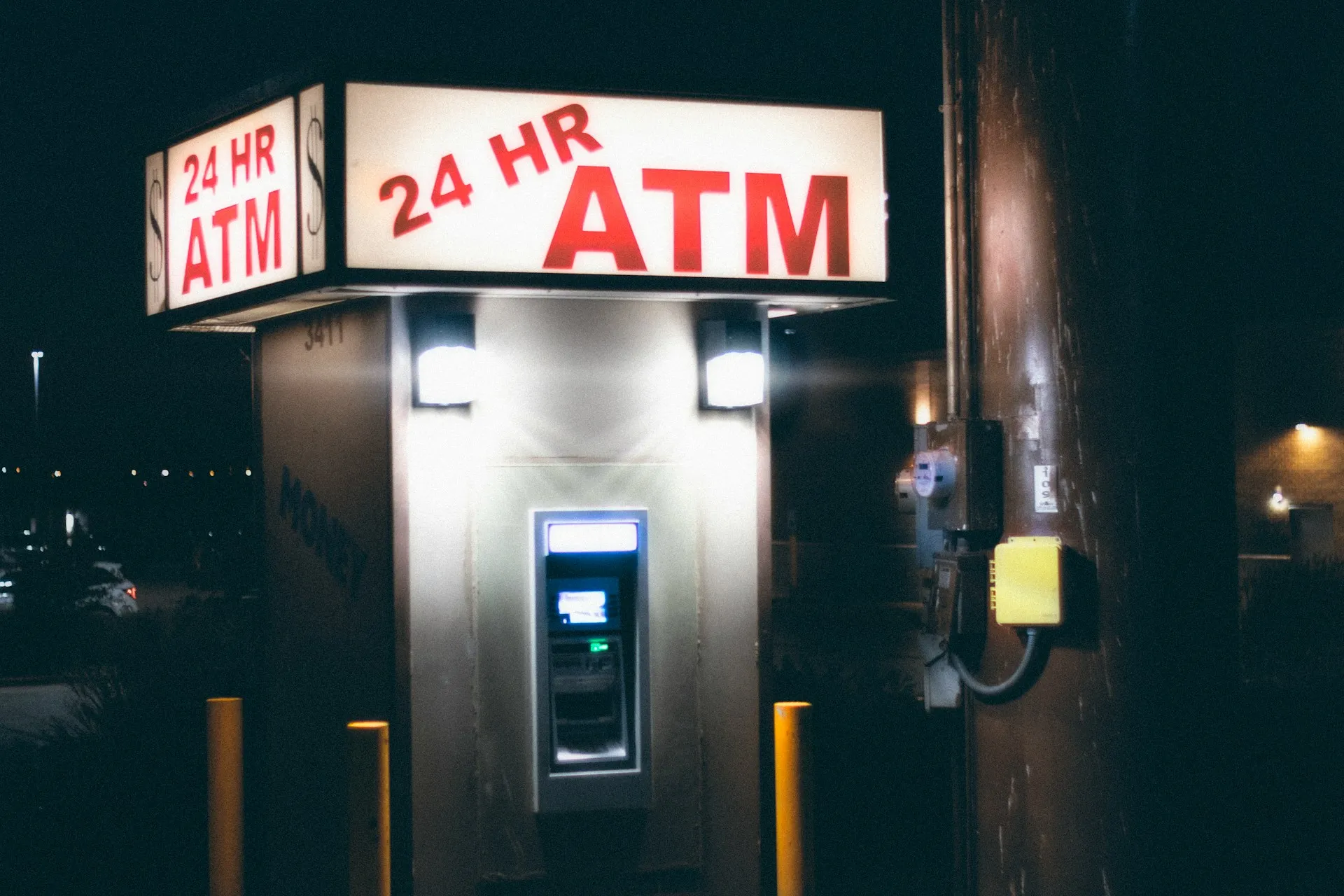
Beyond that, pay for small purchases in local currency (producing a large foreign bill for a bottle of water draws exactly the attention you’re avoiding) and be picky about ATMs. Use machines in well-lit, busy locations, ideally inside a bank. Shield the keypad, and notice who’s loitering.
The Art of Invisibility
Traveling like a spy isn’t about being cold or suspicious of everyone. It’s about being observant, prepared, and respectful enough of a place not to perform in it. Lower your profile and you get both outcomes at once: you’re a harder target and a better observer. The confidence that follows is quiet, which is exactly the point.
Observation is a skill, and skills need practice. The Orrery has work for people who notice things.