In fiction, the spy’s watch is a plot device, a laser or a detonator hiding under sapphire crystal. In the real world of intelligence and special operations, the watch is something less cinematic and more interesting: survival hardware, chosen by people whose lives depend on their gear.
The requirements are unforgiving. The watch has to be reliable, it has to be durable, and it has to fit the mission. The wrong choice can cost a synchronized breach its timing, or cost a cover its credibility. So what do actual operators wear?
The Unbreakable Beater: Casio’s Reign
If one brand dominates modern military and tactical work, it is Casio. More specifically, the G-Shock.
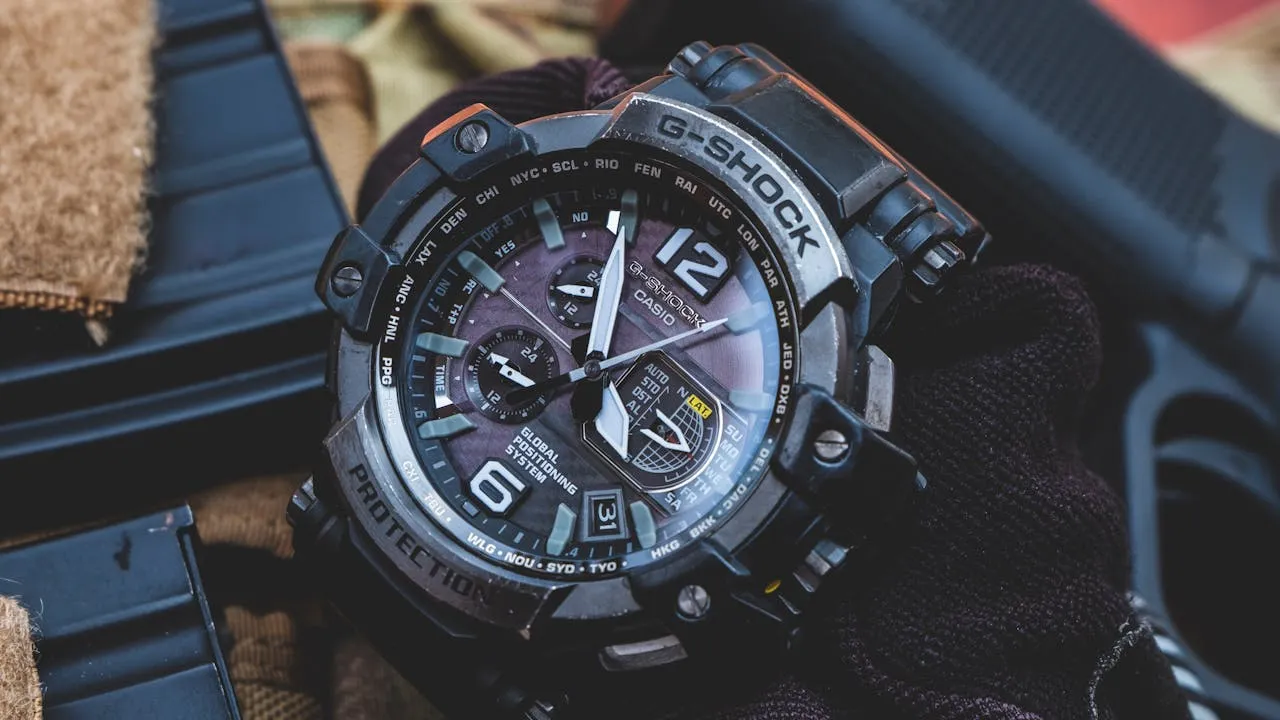
Standard issue by choice: the G-Shock. Walk onto any forward operating base in the world and you will see more battered G-Shocks than any other watch. It was engineered around the “Triple 10” concept: survive a 10-meter drop, resist water to 10 bar, run 10 years on one battery. The result is a watch that is close to indestructible. For an operator it offers multiple time zones, synchronized stopwatches, backlights that work with night vision, and a price low enough that the watch is basically disposable equipment.
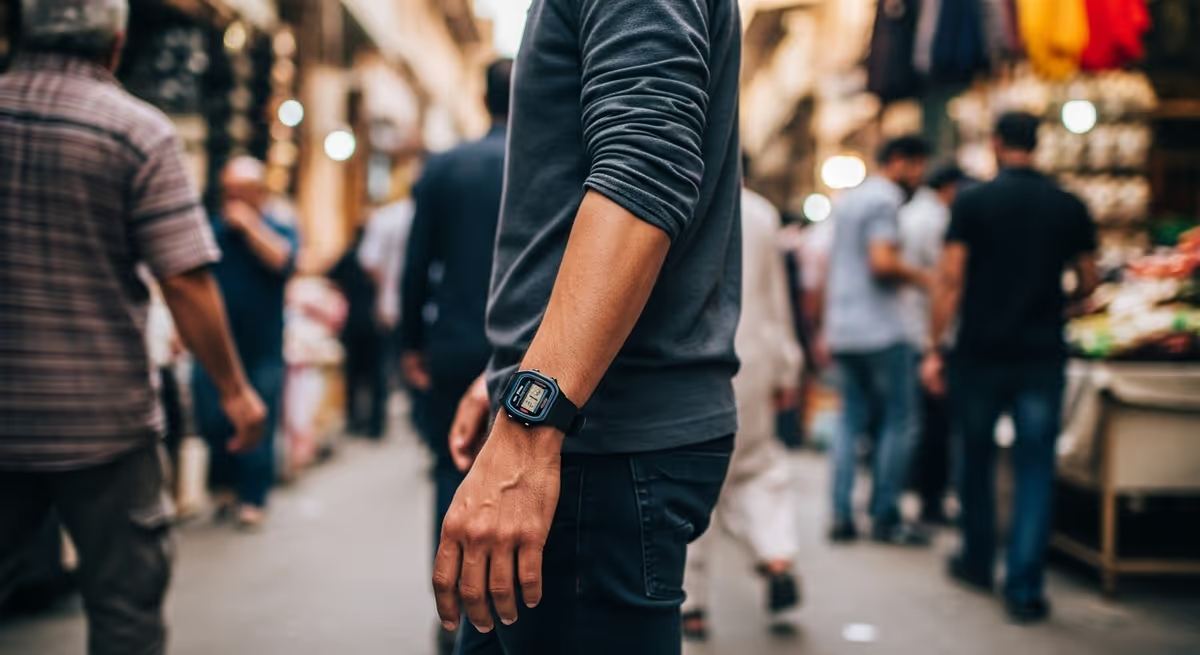
The controversial classic: the F-91W. At the other end of the price scale sits the plastic Casio F-91W, which retails for less than a large pizza. Its commonness is precisely its value. An expensive steel watch is a liability on the wrist of a case officer working a volatile posting, while the F-91W makes its wearer forgettable. It is the ultimate “gray man” watch. That same cheap reliability gave it a darker history, too: insurgent groups used the F-91W as a timer for improvised explosives, which is why this simple civilian watch shows up in intelligence analysis at all.
The Mechanical Tool Watch: Legacy and Precision
Before the quartz revolution, the mechanical dive watch was the standard for hard use, and decades of military service still shape tactical watch design today.
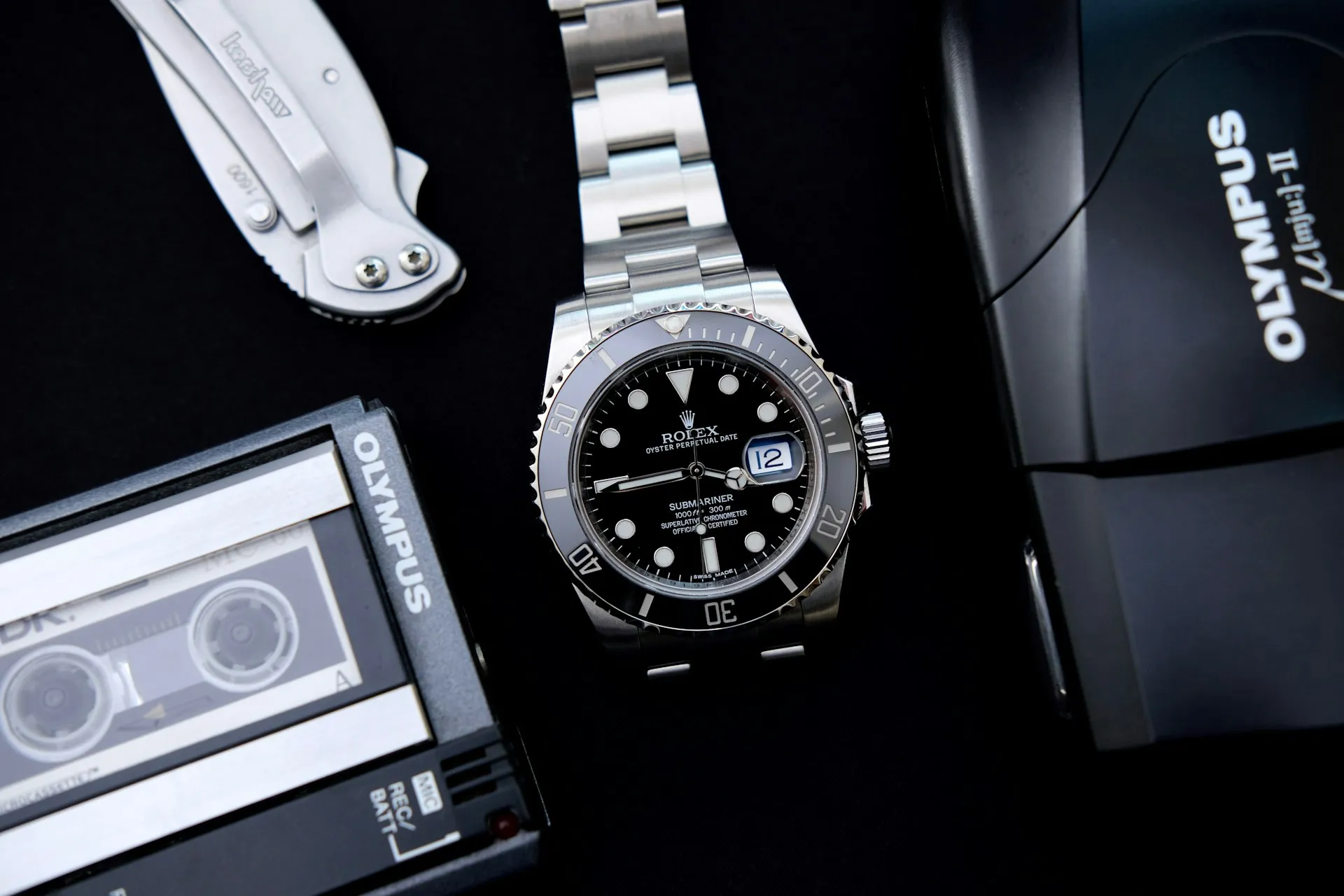
The originals: Rolex and Tudor Submariners. The now-luxurious Submariner began life as a tool. From the 1950s through the 1970s, the British Ministry of Defence issued modified Rolex “MilSubs” to its combat divers. Tudor, Rolex’s sister company, played the larger role in the shadows, supplying Submariners to US Navy SEAL teams and France’s Marine Nationale for decades.
The Bond watch with real credentials: Omega Seamaster. Its modern fame is tied to 007, but the vintage Seamaster 300 carries a genuine military record. The MOD issued it to combat divers in the late 1960s, and the “broad arrow” stamped on the dial marked it as property of the British Crown. It earned its place through underwater legibility and pressure-resistant construction.
The Gray Man Principle: The Watch as Cover
For an intelligence officer, the watch is part of the costume, and the right choice is entirely a matter of context.
- The direct-action mission: An operator on a night raid wears a G-Shock. Its only job is to not fail.
- The diplomatic function: A case officer working an embassy party might wear a steel Submariner. Projected success opens doors in circles of power.
- The deep-cover operation: An officer moving through a foreign market wears a battered Seiko 5. The goal is to be unmemorable.
There is no single right watch. There is a right watch per role, and real operatives keep a toolbox of them.
The Final Tick
The truth about spy watches is more practical than the movies suggest. Durability beats cinema, and blending in beats standing out. From the plastic G-Shock to the steel Submariner, these are working tools, chosen for what they do when it matters rather than for the name on the dial.
Choosing the right tool for the job is tradecraft. So is noticing the tools others chose. The Orrery is recruiting.